FOWT – a look back at the 2025 edition
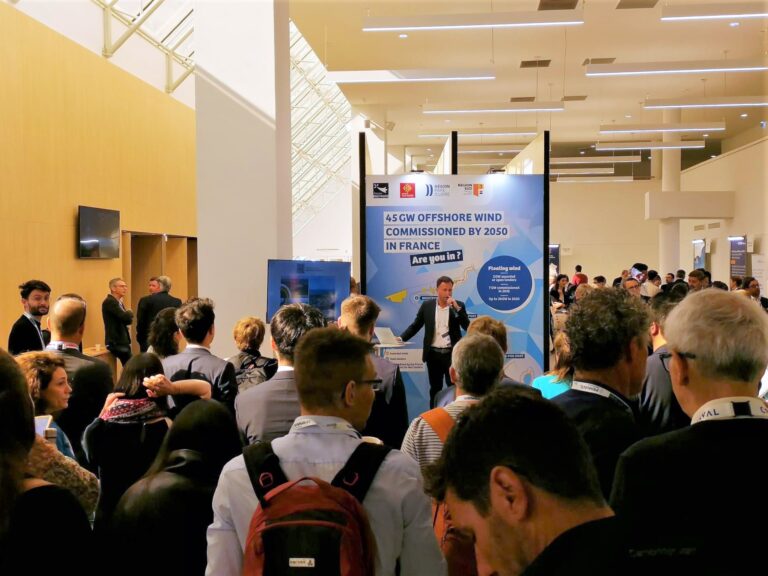
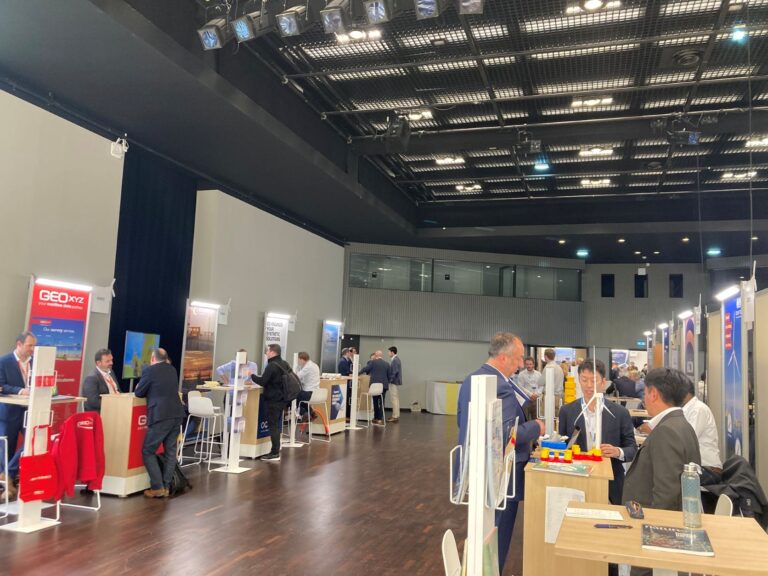
InnovationFOWT, which was held in Brest this year, brought together the international floating wind energy ecosystem for three days. In a friendly and cooperative atmosphere, the exhibition halls, technical workshops, and informal gatherings provided opportunities for meetings, synergies, and promises of future cooperation.
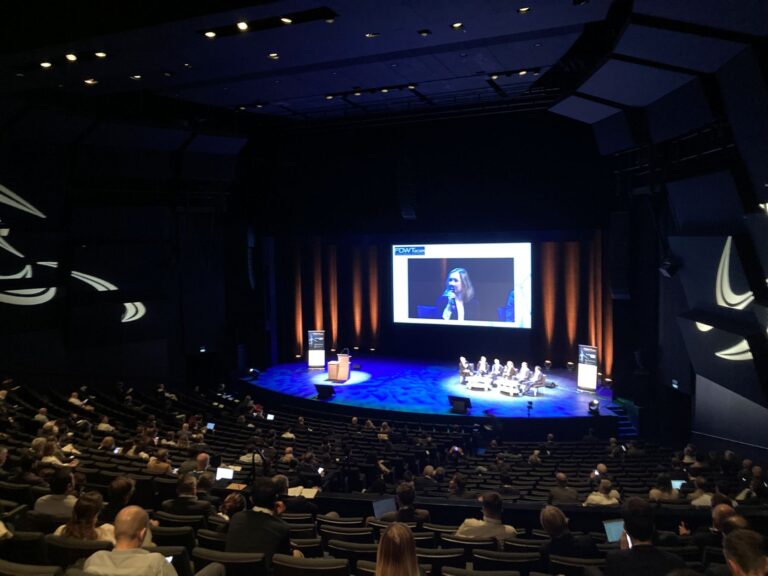
This year, FOWT once again established itself as a strategic milestone for a sector undergoing rapid development. Co-organized by Pôle Mer Méditerranée and France Renouvelables, this 12th edition brought together leading experts, researchers, and industry leaders in the floating wind sector for three days to discuss the latest technological advances and market prospects.
In a friendly atmosphere focused on cooperation, the exhibition aisles, technical workshops, and informal gatherings provided opportunities for meetings, synergies, and promises of future cooperation.
A collective approach
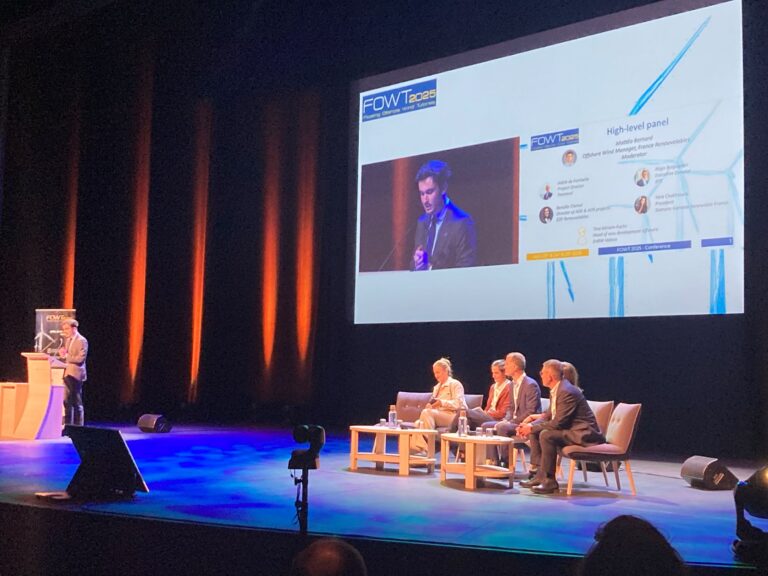
From the very first conferences, the tone was set: think collectively and for the long term to create a coherent, sustainable, and competitive industry. During a session bringing together executives and managers from major groups, the emphasis was placed on the importance of moving away from isolated projects to build a global vision, both regionally and globally.
One of the common themes of the discussions at this trade show was also the need to think of floating wind farms as shared spaces, where different uses of the sea can coexist and even reinforce each other. Rather than creating exclusion zones, several pilot projects demonstrate that it is possible to reconcile renewable energy production with local economic and environmental activities.
Several examples illustrated that co-activity is not just a constraint to be managed, but a lever for social acceptability, ecological performance, and regional value creation if it is anticipated from the project design phase and subject to open governance with the stakeholders concerned.
A sector taking shape
During a conference, speakers discussed the importance of speeding up administrative formalities and adapting the regulatory framework to support the rise of floating wind power. Today, project developers face lengthy and complex procedures. Regulations need to be more agile, easier to understand, and tailored to the sector to ensure the competitiveness of the French industry in the face of increasingly structured international competition.
With calls for tenders multiplying across Europe, speakers emphasized the evolution of selection criteria: beyond price, industrial robustness and local benefits are now key. In addition, speakers warned of cost inflation and the need to find a balance between technological ambition and sustainable economic models. The reliability of projects also depends on greater transparency in risk management, which was cited as a key factor for success.
When it comes to industrializing the sector, the time for debate is over; now is the time for concrete action. Discussions highlighted the need to prepare ports as industrial platforms for offshore manufacturing, assembly, and logistics, without impacting their main activity. Feedback highlighted the importance of coordinated planning between regions, manufacturers, and public authorities.
An international dynamic
With delegations from more than 30 countries, FOWT has strengthened its role as a global platform for cooperation. The exhibition confirmed the emergence of new markets, particularly in Asia and on the American coast, while highlighting the pioneering role of France and Europe in structuring the sector. The isolation of the French market must be avoided if we want European cooperation and increased competitiveness.
Now is the time to act
FOWT 2025 confirms that floating wind power is entering a decisive phase: that of large-scale industrialization, supported by regional dynamics, technical innovations, and constant dialogue with sea users. Now is the time to act!
The use of floating wind power is no longer an option, but a reality. The collective mobilization seen in Brest heralds a mature, ambitious, and structured industry ready to meet the energy and climate challenges of tomorrow. The strongest message, repeated several times by industry players at the conferences and perfectly suited to the context, is this: the various project stakeholders must now demonstrate “crew spirit” and act as a team. We must now think in terms of the industry as a whole, not just individual projects.