WESC 2025: a look back at the fifth edition
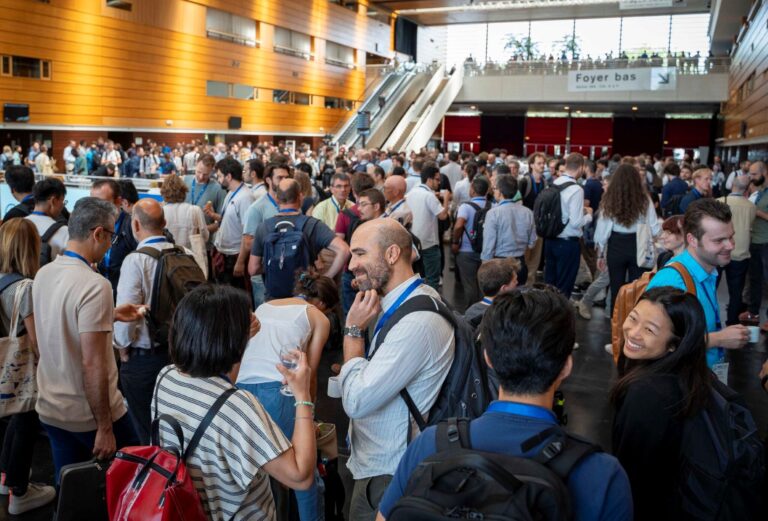
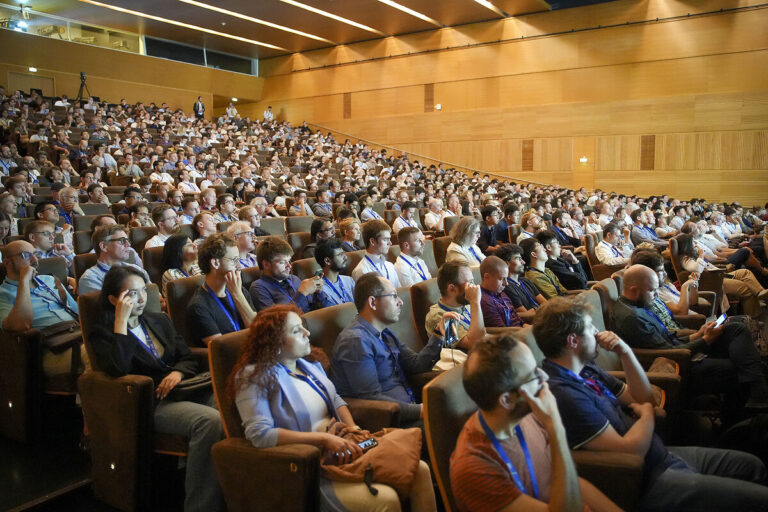
InternationalFrom June 24 to 27, Nantes hosted the Wind Energy Science Conference (WESC), bringing together more than 1,000 experts from around the world. Organized by Centrale Nantes and the Cité des Congrès, under the auspices of the EAWE* (European Academy of Wind Energy), this 5th edition combined scientific sessions, technical visits, and discussions with industry leaders.
A scientific program in line with current industry developments
The conference was structured around ten main themes, addressing all the challenges facing the MRE sector:
- Wind resources, meteorological and oceanographic conditions, and extreme conditions
- Wind farms and wakes
- Aerodynamics, aeroelasticity, and acoustics
- Turbine technology and control
- Structures, materials, and structural integrity
- Monitoring, detection, operations, and maintenance
- Energy conversion, electrical systems, and grid integration
- Floating wind power
- Policy, economics, planning, and environmental impacts
- Emerging technologies and special sessions
All of this was supported by a joint scientific committee, bringing together renowned researchers and industry professionals.
775 abstracts were accepted, illustrating the diversity of the work presented. Advances in floating wind power featured prominently, reflecting a rapidly growing sector, particularly in Europe. Several sessions were dedicated to the increasingly important issues of energy policy, social acceptability, and environmental impact.
WHERE SCIENCE MEETS INDUSTRY
Technical visits were offered at the start of the event:
- the SEM-REV offshore test site
- the Saint-Nazaire offshore wind farm
- the research facilities at Centrale Nantes.
On the corporate side, the Catalan start-up Vortex FDC attracted attention with its work on high-resolution wind time series and turbulence modeling. Other big names in the sector, such as Siemens Gamesa, TotalEnergies, CNRS, TU Delft, and Fraunhofer IWES, were also present. They testify to the vitality of partnership-based research in Europe.
An international student competition supported by WEAMEC
During the 2024-2025 academic year, around ten teams of students from around the world (France, Canada, Denmark, Egypt, Spain, Greece, Poland, and the Netherlands) prepared to build a small wind turbine with a diameter of 2m2. The goal was to build the most efficient wind turbine with the highest energy yield. The French team, made up of eight students from Centrale Nantes, benefited from the support of the school’s teacher-researchers (LHEEA and LS2N). The projects and prototypes were presented during the conference.
WEAMEC, a partner of WESC 2025, contributed financially to the logistics of this competition. This illustrates the importance of training and experimentation for future engineers in the sector’s innovation dynamic.
Promoting the local ecosystem
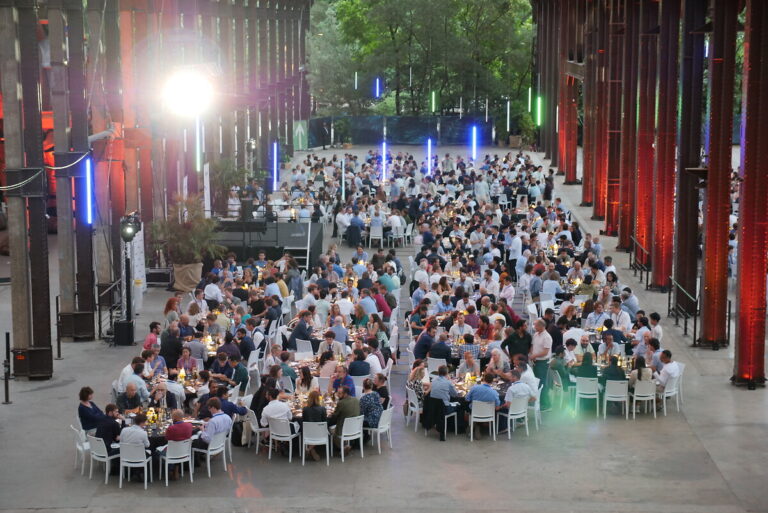
The event showcased local research initiatives, notably through the work of LabEx ORACLE, and positioned France as a major player in the race for wind power innovation. It took place in several iconic locations in Nantes, such as the Cité des Congrès, the Château des Ducs de Bretagne, and the Galerie des Machines, where the gala dinner was held.
WESC 2025 demonstrates that the future of wind power will depend on the convergence of science, engineering, and politics. This ambition is more relevant than ever at a time when the energy transition is accelerating.
*EAWE
EAWE is an international non-profit scientific organization. It works to advance wind energy science. Its goal is to fully exploit the potential of wind power for a more sustainable future. With more than 55 universities in Europe and the United States, EAWE is a leading network in the field, providing a credible voice on the research of tomorrow.